
Legionella
Emergency Call – 24/7
Complete Legionella Risk Management
Professional services to protect your property and occupants from legionella bacteria

Frequently Asked Questions
Legionella is bacteria that occurs naturally in water environments and can multiply rapidly in warm water systems (20-45°C). When inhaled through water droplets from contaminated systems, it can cause Legionnaires’ disease, a serious form of pneumonia that can be fatal, particularly for vulnerable individuals. Legionella bacteria thrive in stagnant water, biofilms, and systems with poor maintenance. It’s found in cooling towers, hot water systems, spa pools, fountains, and other water systems where conditions allow bacterial growth.
Under the Health and Safety at Work Act and Control of Substances Hazardous to Health (COSHH) regulations, duty holders (property owners, landlords, employers) are legally responsible for assessing and controlling legionella risks. This applies to most commercial properties, rental properties, care homes, hotels, and any premises where people may be exposed to water droplets. Failure to manage legionella risks can result in prosecution, unlimited fines, and imprisonment. Even domestic landlords have responsibilities under housing health and safety regulations.
Initial risk assessments should be completed when taking over responsibility for water systems, with reviews required every two years or sooner if significant changes occur. Reviews are also needed after system modifications, following suspected cases of legionnaires’ disease, or when monitoring indicates potential problems. High-risk systems may require more frequent assessments. We provide ongoing review services and maintain assessment schedules to ensure you remain compliant with changing regulations and system conditions.
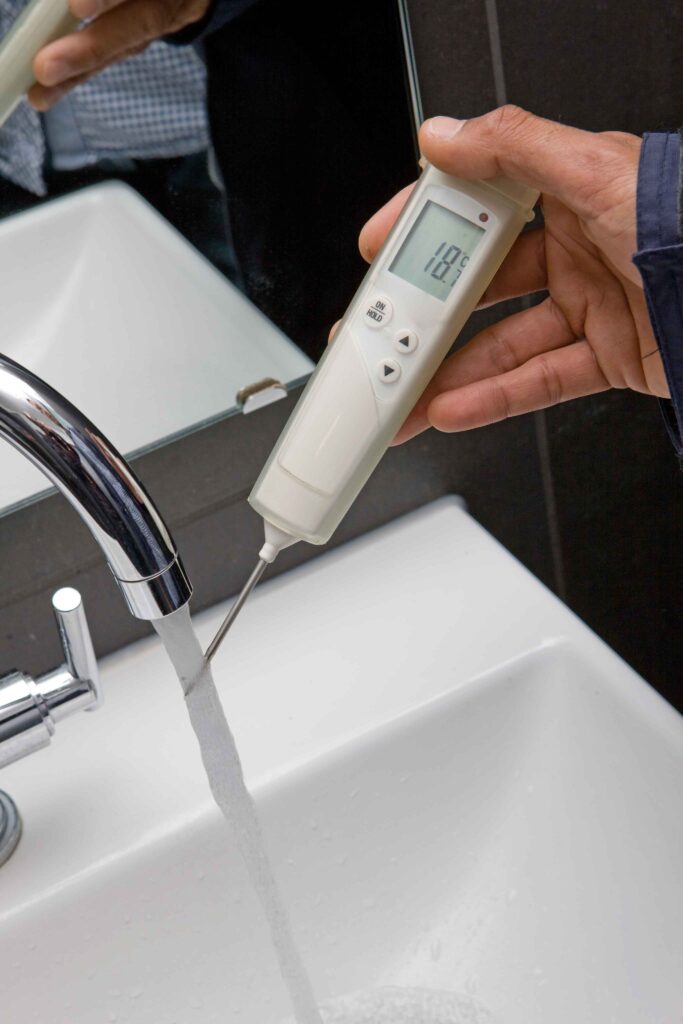
Legionella bacteria multiply most rapidly between 20-45°C. Hot water systems should store water at 60°C or higher and deliver hot water at 50°C or above (55°C in healthcare premises) within one minute. Cold water should be stored and distributed below 20°C. These temperatures help prevent bacterial growth, though other control measures like regular flushing, cleaning, and monitoring are also essential. We can assess your system temperatures and recommend improvements to maintain safe operating conditions.
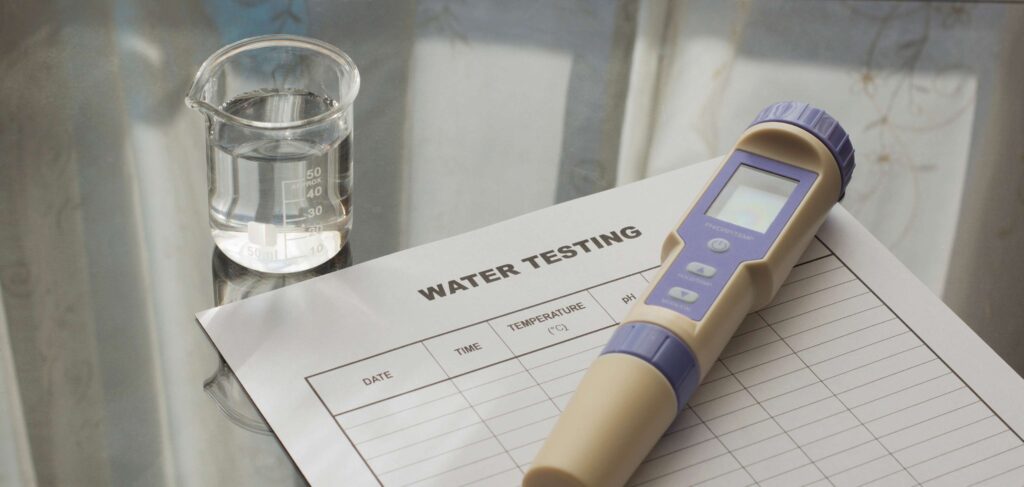
Legionella testing involves collecting water samples from various system points including tanks, outlets, and dead legs, following strict sampling protocols. Samples are analysed at UKAS accredited laboratories for legionella bacteria count and species identification. Testing frequency depends on risk assessment findings, typically ranging from monthly to annually. We handle all aspects of sampling including site visits, laboratory liaison, results interpretation, and recommendations for any remedial actions needed based on findings.
If legionella is detected, immediate action is required based on bacterial counts and risk levels. Low levels may require increased monitoring and maintenance, whilst higher counts necessitate immediate system disinfection and potentially temporary closure. We provide emergency response services including system disinfection, remedial works, and re-testing to ensure safety. We’ll guide you through the entire process, liaise with relevant authorities if required, and implement long-term control measures to prevent recurrence whilst minimising business disruption.